
Views: 0 Author: Site Editor Publish Time: 2026-02-06 Origin: Site
Wear monitoring instruments play a crucial role in today’s high-performance industries. They are designed to track the wear and tear of machinery components, providing valuable data to prevent unexpected failures and optimize maintenance schedules. By identifying wear patterns, these tools allow for proactive maintenance, extending the life of expensive equipment and ensuring smooth, uninterrupted operations.
These instruments come in a range of technologies, from advanced sensors and laser scanners to more traditional strain gauges and mechanical wear measurement devices. They can be categorized into two main types: contact-based tools, which physically touch the equipment to measure wear, and non-contact tools, such as lasers and infrared imaging, which track wear without any physical contact. Both types serve different needs but share a common goal: improving efficiency and safety in industrial environments.
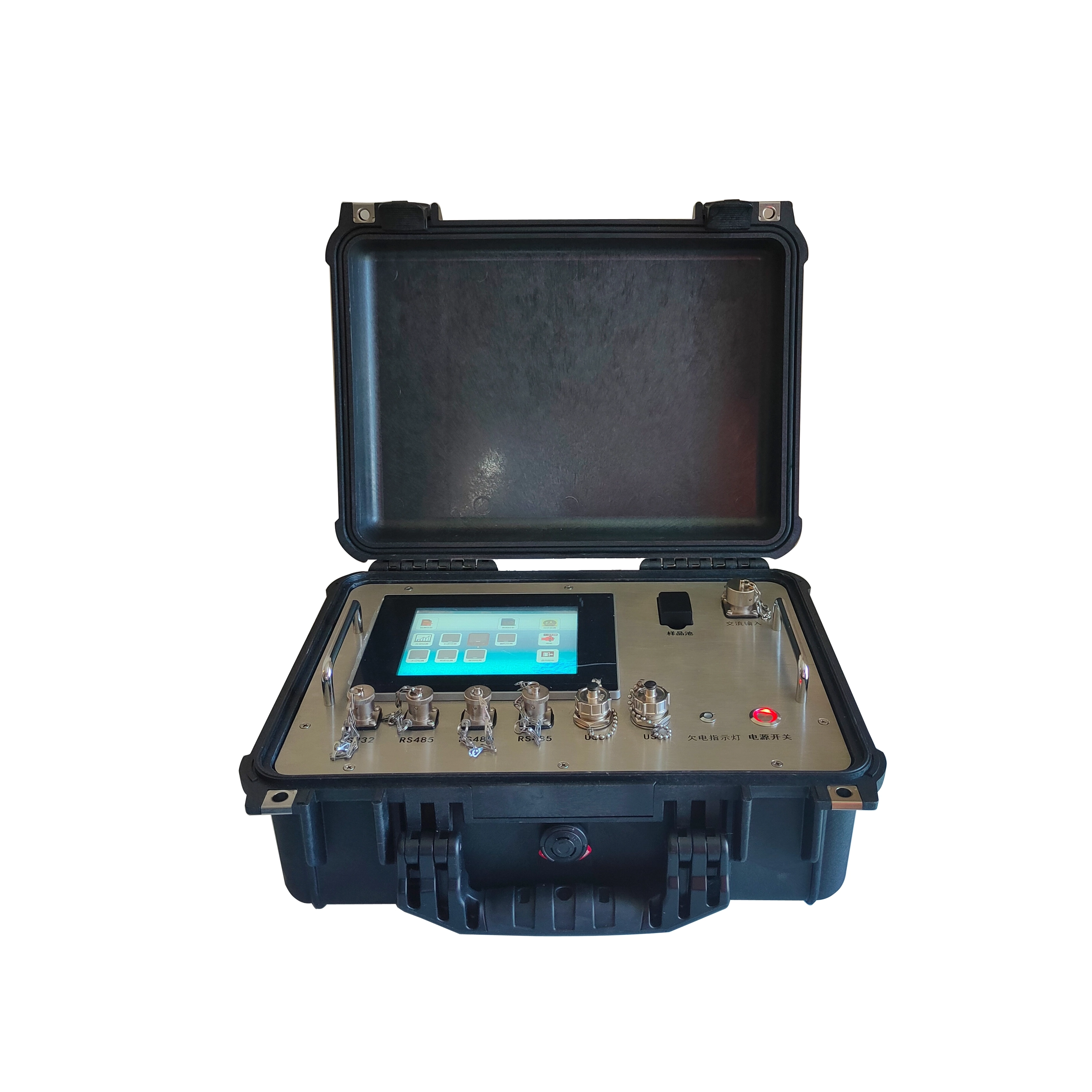
The importance of wear monitoring tools in industrial applications cannot be overstated. These tools have become indispensable across various sectors due to their role in reducing costs, improving product quality, and increasing overall operational efficiency.
One of the most immediate benefits of wear monitoring tools is the ability to minimize downtime. With real-time data, industries can track wear trends and schedule maintenance in advance, rather than waiting for machines to fail unexpectedly. This proactive approach helps avoid expensive and time-consuming repairs.
Preventing Unexpected Breakdowns: By continuously tracking wear patterns, companies can identify early signs of potential issues before they cause equipment failure, significantly reducing the chances of unplanned downtime.
Reducing Unplanned Downtime: Maintenance can be scheduled based on data insights, ensuring it happens at the most convenient times, often outside of regular production hours.
Wear affects the precision of machinery, which in turn impacts the consistency and quality of the final product. By monitoring wear, manufacturers ensure that their tools continue to perform at an optimal level, preserving the integrity of their products. This is particularly important in industries where product quality is critical, such as aerospace or medical device manufacturing.
Maintaining High Standards: Wear monitoring ensures that every tool and machine performs to its highest potential, preventing defects caused by worn components.
Precision in Manufacturing: Especially in precision-dependent industries, wear monitoring helps maintain the exact tolerances required for high-quality output.
Wear monitoring tools are an integral part of predictive maintenance strategies. Rather than reacting to machinery breakdowns, businesses can rely on wear data to predict when a component is nearing the end of its useful life. This predictive approach prevents costly last-minute repairs and allows for more strategic maintenance planning, leading to significant cost savings.
Minimizing Maintenance Costs: By catching issues early, wear monitoring reduces the need for emergency repairs, which can often be far more expensive than regular maintenance.
Extending Equipment Life: Proactively managing wear extends the life of equipment, allowing businesses to get more value out of their machinery before costly replacements are necessary.
Wear monitoring instruments are used in a wide range of industries, from manufacturing to aerospace. Below are the key industries that rely on these tools to ensure optimal performance and efficiency in their operations:
In manufacturing, wear monitoring tools are critical for managing high-precision machinery and tooling. These industries use wear data to prevent tool failure, minimize downtime, and maintain high-quality production standards. The tools provide detailed insights into wear patterns, allowing manufacturers to replace worn components just in time, thus reducing material waste and improving production cycle times.
CNC Machining: Wear monitoring is essential in CNC machining, where tool wear can impact the precision of parts being produced. Early detection ensures that the machines continue to produce parts to the highest standards.
Tooling Management: With wear monitoring, companies can track the wear on industrial tools and schedule their replacement efficiently, preventing the need for unnecessary tool replacements and reducing overall costs.
The aerospace industry demands the highest levels of precision. Wear monitoring tools help maintain the stringent standards required in the production of aircraft components. These tools track wear on critical machinery parts, preventing safety risks and ensuring that components meet the exacting specifications needed for aerospace applications.
Precision Engineering: In aerospace manufacturing, wear monitoring is essential to ensure that parts such as turbine blades remain within tight tolerances throughout their life cycle.
Component Lifecycle Management: Aerospace components are subject to strict safety regulations. Continuous monitoring ensures compliance with these regulations and enhances the safety and reliability of aircraft.
In the oil and gas industry, equipment is subjected to extreme conditions that accelerate wear. Drilling equipment, pumps, and pipes need constant monitoring to prevent costly failures that can halt operations. Wear monitoring instruments help track the condition of these components, allowing for timely repairs and ensuring safe and efficient operations.
Drilling Tools: Tools used in drilling operations undergo significant wear. Monitoring these tools helps prevent costly equipment failures during drilling operations, improving efficiency.
Pipeline Integrity: Wear monitoring plays a crucial role in maintaining the integrity of pipelines, where early detection of wear and corrosion can prevent hazardous leaks or ruptures.
In the medical device industry, the quality and reliability of products are paramount. Wear monitoring instruments help ensure that tools used in manufacturing medical devices remain functional and meet strict regulatory standards. These tools track wear over time, ensuring that devices are consistently manufactured to the highest safety standards.
Tooling for Medical Equipment: Monitoring wear on the tools used to manufacture medical devices ensures the production of high-quality, safe equipment.
Regulatory Compliance: Wear data supports compliance with industry regulations, ensuring that wear does not affect the safety and functionality of medical devices.
The mining industry relies on heavy machinery that operates in harsh conditions, leading to rapid wear. Wear monitoring helps track the condition of mining tools such as drills, hammers, and excavators, ensuring that they remain effective and safe to use.
Heavy Machinery: Mining machinery is subject to extreme stress. Wear monitoring ensures that equipment continues to operate efficiently, reducing the risk of breakdowns.
Mining Tools: Tools used in mining operations undergo heavy wear. Monitoring these tools helps extend their life and prevents unexpected failures.
The power generation sector relies on machinery such as turbines and engines, which are subject to constant wear. Wear monitoring instruments help ensure the efficiency and reliability of these critical components by tracking their condition over time.
Turbine Monitoring: In power plants, turbines are continuously subjected to wear. Wear monitoring helps track turbine blade condition, preventing failures that could result in extended downtime.
Predictive Maintenance: By monitoring wear, power plants can schedule maintenance activities before components fail, helping avoid costly shutdowns and improving plant performance.
Wear monitoring tools bring numerous benefits to industries. They provide a detailed view of equipment condition, helping industries detect early signs of wear and take action before problems escalate.
Increased Operational Efficiency: By identifying wear trends early, industries can schedule maintenance more effectively, reducing downtime and maintaining continuous operation.
Enhanced Equipment Longevity: Regular monitoring extends the life of equipment by preventing excessive wear, ultimately reducing replacement costs.
Safety and Compliance: Ensuring that wear does not compromise safety or compliance with regulatory standards is a significant benefit of wear monitoring, particularly in critical industries like aerospace and medical device manufacturing.
While wear monitoring tools offer substantial advantages, they are not without challenges. Data accuracy, high initial costs, and integration with existing systems are some of the obstacles businesses face when adopting these technologies.
Data Accuracy and Interpretation: The accuracy of wear measurements can be influenced by environmental factors, and interpreting the data correctly is essential for effective decision-making.
High Initial Investment: Wear monitoring systems can be costly to implement, which can deter small businesses from adopting them. However, the long-term savings often justify the upfront investment.
Integration with Existing Systems: Integrating wear monitoring tools with existing machinery and systems can be challenging, especially in industries that rely on older equipment.
Selecting the right wear monitoring instrument depends on the specific needs of your industry and the type of machinery used. Here are some key factors to consider:
Key Factors to Consider: Look for systems that match your industry’s needs, scalability requirements, and budget.
Comparing Technologies: Consider which technology suits your industry, whether it’s laser scanning for precision machining or strain gauges for heavy machinery.
Selecting the Right Tool for Your Machinery: Match the tool with the type of equipment you operate, ensuring that it can accurately monitor wear based on your industry’s specific requirements.
Wear monitoring instruments are essential tools for industries that rely on high-precision machinery and efficient operations. These instruments help extend the life of equipment, reduce downtime, and ensure safety. Despite challenges like initial investment and data interpretation, the long-term benefits are undeniable.
Investing in wear monitoring tools is a proactive step toward enhancing operational efficiency, improving product quality, and ensuring compliance with industry regulations. As industries continue to evolve, these tools will become even more critical to maintaining competitive advantages and ensuring the sustainability of operations.
What is the most common industry using wear monitoring tools? Industries such as manufacturing, aerospace, and oil & gas are the primary users of wear monitoring tools, where precision and reliability are critical.
Can wear monitoring tools be used in small-scale operations? Yes, many wear monitoring systems are scalable and can be adapted for small-scale operations, offering affordable options for smaller businesses.
How accurate are wear monitoring tools in predicting tool failure? Wear monitoring tools are highly accurate, but their precision can depend on the technology used and the environment in which they operate.
Do wear monitoring tools require a lot of maintenance? Like any technology, wear monitoring tools require maintenance to ensure accuracy. However, the frequency of maintenance is typically low and often scheduled during regular maintenance windows.
What are the best types of wear monitoring instruments for automotive manufacturing? Strain gauges and laser scanning tools are often used in automotive manufacturing to monitor wear on tools and machinery.
How often should wear monitoring instruments be calibrated? Calibration frequency depends on the tool and its application. Generally, tools should be calibrated at least once a year or more frequently based on usage.


