
Views: 0 Author: Site Editor Publish Time: 2026-02-08 Origin: Site
Oil looks simple. It is not. It carries the health story of your equipment.
Today, plants push higher uptime targets. They also run leaner maintenance teams.
So small oil issues turn into big failures faster. Oil Contamination Monitoring keeps you ahead.
We will cover what contamination is, why it matters, and how to act on results.
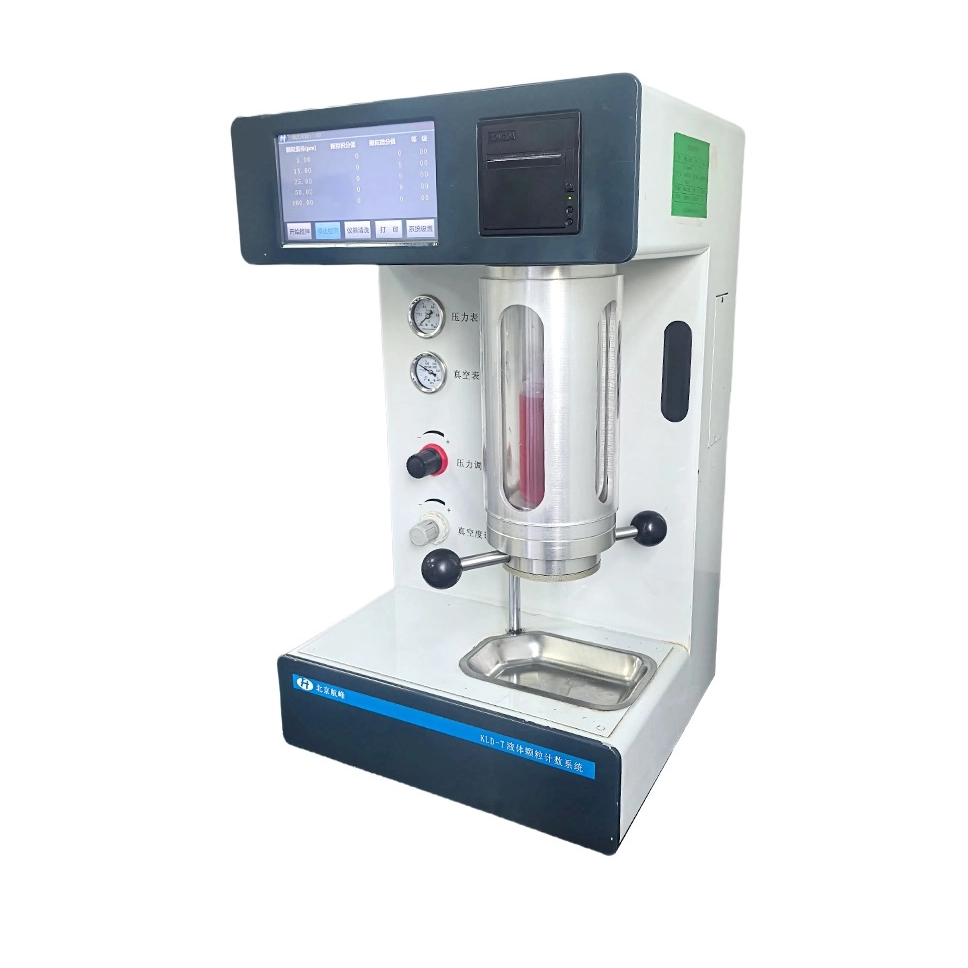
Oil contamination means unwanted material inside oil. It changes how oil protects parts.
Some contaminants enter from outside. Others come from wear inside the system.
Solid particles: dust, sand, fibers, metal debris.
Water: free water, emulsified water, dissolved moisture.
Air and foam: bubbles reduce film strength, distort sensor readings.
Chemical changes: oxidation byproducts, fuel dilution, additive depletion.
Breathers, seals, hatches, poor handling.
New oil that arrives “not clean enough”.
Wear at gears, pumps, bearings, valves.
Condensation during cool-down cycles.
Oil can look clean and still harm equipment. Tiny particles still cut surfaces.
Contamination drives wear. Wear creates more particles. Then the cycle accelerates.
Oil contamination testing breaks that cycle. It gives you time to respond.
Clean oil supports stable viscosity and film strength. It reduces friction losses.
Dirty oil increases heat and energy use. It also reduces control accuracy.
Most failures give signals early. Oil analysis often shows them first.
Rising particle counts can warn of filter bypass. Rising metals can flag wear.
Repairs cost money. Lost production costs more. Testing often pays back quickly.
Many industries demand traceable maintenance. Oil reports support audits and root-cause work.
| Approach | Trigger | Typical outcome | Business impact |
|---|---|---|---|
| Reactive repair | Failure happens | Parts replacement, downtime | High cost, high risk |
| Scheduled PM only | Calendar interval | Some issues missed | Medium cost, medium risk |
| Oil Contamination Monitoring | Condition signals | Early action, targeted fixes | Lower cost, lower risk |
You can test oil in several ways. The best choice depends on risk and criticality.
Field checks are fast. They also miss subtle issues.
Visual checks for haze, foam, sludge.
Simple water screens, crackle-style checks.
Filter inspection for debris trends.
Use these for quick triage. Do not rely on them alone.
Lab analysis gives deeper detail. It supports trending and root-cause work.
Particle count for cleanliness codes.
Water measurement for moisture risk.
Wear metals for component health.
Viscosity for lubricant grade control.
Oxidation indicators for oil life decisions.
Online monitoring gives near real-time signals. It helps when failure windows are short.
Particle monitoring on hydraulic units and gearboxes.
Moisture sensing in turbines and marine systems.
Alerts tied to maintenance workflows.
| Method | Best for | Strength | Limit |
|---|---|---|---|
| Field checks | Fast screening | Quick, low effort | Low sensitivity |
| Lab analysis | Diagnosis and trending | High detail | Time lag |
| Online monitoring | Critical assets | Fast detection | Needs setup discipline |
Regular testing delivers practical outcomes. It also improves decision confidence.
Particles drive abrasive wear. Control them, and parts last longer.
Cleanliness supports stable valves and actuators. It reduces sticking and drift.
Oil issues can trigger overheating and failures. Early detection reduces safety risk.
Trends help you plan shutdown work. You can order parts earlier.
Oil Contamination Monitoring turns “guessing” into measured maintenance decisions.
Implementation works best when you treat it like a program. Tools alone are not enough.
Start from risk. Focus on assets that hurt you most.
Hydraulic power units for process control.
Gearboxes on conveyors, mills, wind turbines.
Turbines and compressors in power and oil-gas.
Take an early sample. Use it as your reference point.
Then compare new results against the baseline. Trends beat single data points.
Every limit needs an action. Otherwise, alarms become noise.
If particle code rises, check filters and ingression paths.
If water rises, inspect coolers, breathers, seals.
If wear metals rise, inspect the likely component group.
Sample from turbulent, representative flow zones. Avoid dead legs.
Use higher frequency on high-risk assets. Use lower frequency on low-risk assets.
Record actions and outcomes. Update limits as you learn.
| Asset criticality | Suggested lab frequency | Suggested online use |
|---|---|---|
| High | Monthly or biweekly | Recommended |
| Medium | Quarterly | Optional |
| Low | Twice per year | Rare |
Reports can feel busy. Focus on a few signals first.
Particle codes rise when ingression increases or filtration weakens.
Water causes corrosion and additive stress. It also reduces film strength.
Wear metals hint at component wear. Trend them, then investigate sources.
Viscosity drift changes lubrication regime. Oxidation signals oil life decline.
Compare against your last three results.
Check for step-changes, not small noise.
Match signals to operating events and maintenance work.
Document the action you take, then verify next cycle.
Each contaminant leaves a pattern. Learn the patterns, then act faster.
They often enter through breathers and seals. They drive abrasive wear quickly.
Signal: rising particle count, faster filter plugging.
Action: improve breathers, seal checks, handling control.
Water enters from coolers, condensation, leaks. It triggers rust and micro-pitting.
Signal: higher moisture readings, hazy oil, corrosion indicators.
Action: fix ingress source, dry oil, improve storage control.
Air reduces effective lubrication. It also distorts measurements in some setups.
Signal: foaming, erratic readings, pump noise.
Action: check return line design, suction leaks, oil level.
Heat and oxygen degrade oil. Additives deplete over time.
Signal: oxidation rise, viscosity increase, varnish risk.
Action: improve cooling, reduce residence time, refresh oil strategy.
These examples show typical patterns. Your site will have its own mix.
Servo valves hate dirt. Small particles cause sticking and drift.
Continuous particle monitoring helps you stop problems early.
Dusty sites drive ingression. Short cycles can hide wear until it is late.
Regular testing supports smarter oil drains and better repair timing.
Downtime costs can be massive. So early detection matters more.
Online sensors plus lab trending can reduce failure surprises.
Different industries share one truth. Contamination control protects uptime.
These myths slow progress. Let’s clear them up.
Many harmful particles are invisible. Appearance is not a valid test.
Testing usually costs less than one unplanned shutdown day.
By then, damage often already happened. Early signals are the whole value.
Oil contamination testing is critical because it detects problems early.
Oil Contamination Monitoring reduces wear, downtime, and maintenance surprises.
Start small, then scale. Pick critical assets first and trend results.
Then tighten ingress control and filtration. Your reliability metrics should improve.
Pick five critical machines. Define failure risks for each one.
Set baseline oil results. Track changes each cycle.
Link every alarm to a clear action step.
Review results monthly. Adjust targets based on evidence.


