
Views: 0 Author: Site Editor Publish Time: 2026-02-10 Origin: Site
Fluid quality now affects uptime, safety, and compliance. Many teams chase additives, flushing, or frequent oil changes. They often ignore the simplest lever. Filtration Equipment.
Contamination keeps growing across industries. Higher loads. Faster cycles. Tighter tolerances. So we all ask one practical question. Can filtration improve fluid quality?
Yes, it can. It removes solids, water, and reactive byproducts. It also stabilizes downstream performance. This guide explains how Filtration Equipment helps, plus how to tune it.
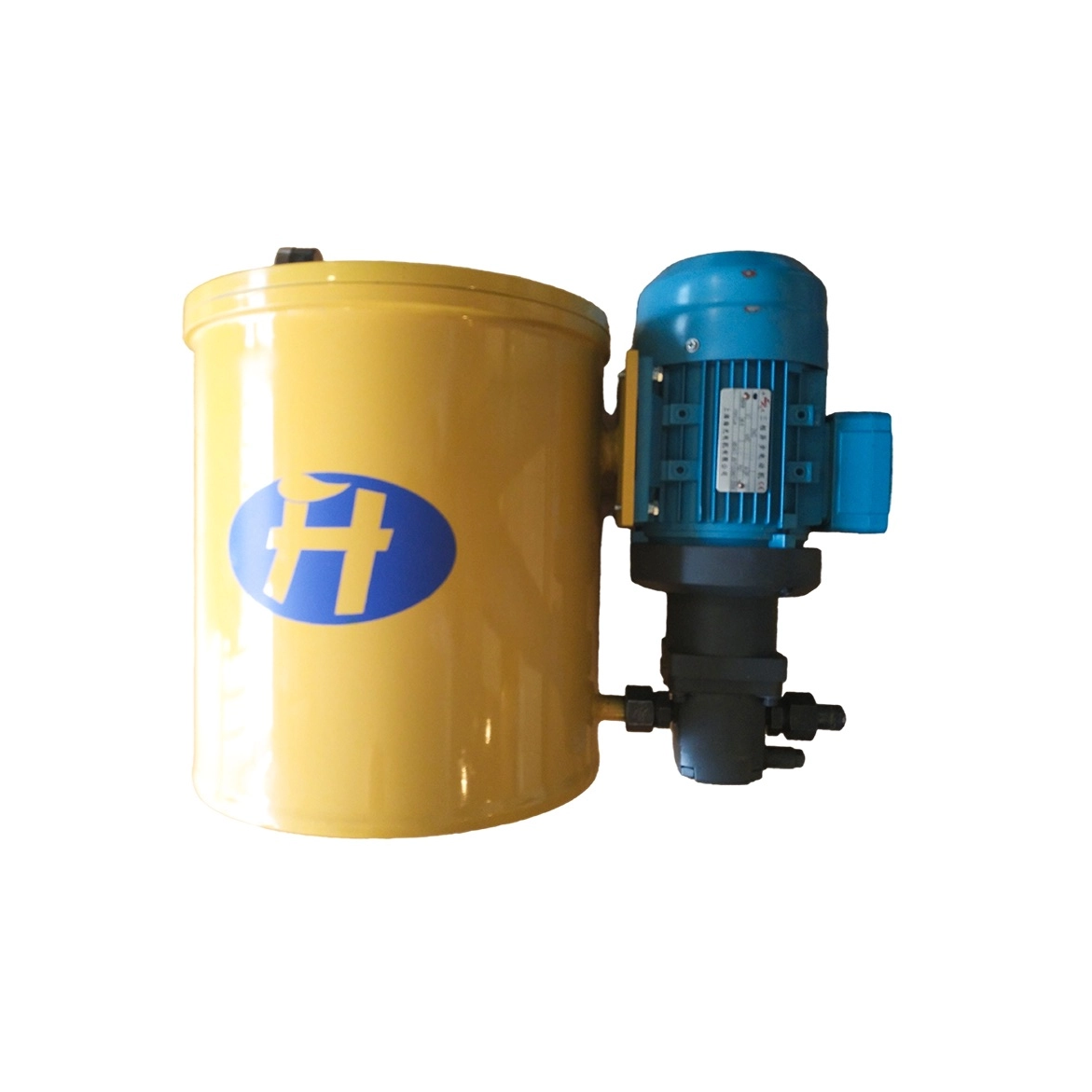
Filtration separates unwanted material from a fluid. It targets particles, emulsified water, free water, sludge, and soft gels. It leaves the usable base fluid behind.
A filter is a controlled bottleneck. It stops contaminants. It still must allow enough flow. So we always balance cleanliness against pressure drop.
Surface filtration: it traps particles on the media surface.
Depth filtration: it traps particles inside the media structure.
Adsorption media: it reduces dissolved organics or odors.
Membrane filtration: it blocks very fine pollutants, often in water treatment.
In-line: full flow, fast protection for sensitive components.
Off-line: kidney-loop cleaning, steady polishing over time.
Bypass: a controlled side stream, strong fine cleaning for oils.
Quick takeaway. Filtration Equipment is not one product type. It is a system choice, tied to fluid risks and operating limits.
“Fluid quality” sounds vague. Let’s make it measurable. Think of particle count, water content, clarity, odor, and stability.
Particles scratch surfaces and clog small clearances. They raise wear metals. They shorten component life. Fine filtration helps control this loop.
Water drives corrosion and additive depletion. It also supports microbial growth in some fluids. Removing it can extend oil service intervals.
Example. A bypass filter product claims 1 μm particle removal plus 100% water removal, then oil change intervals can extend 2–10×.
Cleaner fluids behave more predictably. Pumps run smoother. Valves respond better. Heat transfer stays closer to design targets.
In water applications, filtration can reduce turbidity and reduce nuisance compounds. Membrane filtration often serves as a final polishing step.
Quick takeaway. Filtration Equipment improves quality by breaking “contamination → damage → more contamination” cycles.
Different fluids carry different contaminants. The logic stays similar. Identify the contaminant. Pick a capture method. Keep flow inside limits.
Water often carries grit, silt, organics, and microbes. Flow rate matters a lot. Too fast, capture can drop. Too slow, capacity suffers.
Oils pick up wear debris, dust ingress, varnish precursors, plus water. Fine filtration helps, especially off-line or bypass layouts.
Mobile oil filtration units can remove particles, water, and soft contaminants in one setup. One mobile unit spec lists multiple flow rates, including 120 L/h, 240 L/h, and 1260 L/h.
Here, clarity and microbiological control usually lead. Operators often run staged filtration. Coarse first. Fine next. Final polish last.
These often need water separation and particle control. A small particle load can still cause injector problems. So filtration targets both reliability and safety.
Buying a filter is easy. Getting predictable performance takes setup discipline. We can simplify it into four controls.
Use coarser stages upstream, to protect finer media downstream.
Use finer stages near sensitive components or for polishing loops.
Prefer “absolute” ratings for critical protection decisions.
Flow drives capture efficiency and pressure drop. Higher flow can push particles through media. It can also accelerate clogging.
So we tune flow to the filter’s design window. We also plan for “dirty filter” conditions. Resistance rises over time, then flow drops.
Differential pressure is your early-warning signal. Rising values often mean loading or fouling. It can also signal channeling or media collapse.
Clogging reduces hydraulic performance, then forces regeneration or replacement. Researchers highlight clogging as pore blockage by suspended matter.
For water: turbidity, particle counts, microbial indicators.
For oils: water content, particle counts, wear metals, viscosity trends.
For processes: reject rates, downtime, seal failures, pump efficiency.
| What you see | Likely cause | What to adjust first | How Filtration Equipment helps |
|---|---|---|---|
| Pressure drop climbs fast | High solids load, media too fine | Add pre-filter stage, reduce flow | Stabilizes run time, slows clogging |
| Quality improves, then slips | Media saturated or bypassing | Check seals, replace element | Restores capture performance |
| Flow falls, pumps work harder | Dirty filter, higher resistance | Service element, confirm design flow | Recovers efficiency and energy use |
| Water present in oil samples | Ingress, condensation, poor separation | Add dehydration-capable stage | Reduces corrosion and additive loss |
Quick takeaway. Better filtration results come from flow control plus monitoring, not only finer media.
Filters cost money. Downtime costs more. So we compare total cost. Think labor, scrap, failures, plus fluid replacement.
Fine bypass filtration can extend oil change intervals in some setups. One product page claims 2–10× extension.
Clogging is normal. It is also manageable. We reduce it using staging, right-sizing, and realistic flow targets.
It happens when feed conditions vary. Use differential pressure trends. Use timed sampling. Then set replacement rules your team can follow.
Used elements require proper disposal. Some equipment uses biodegradable elements, which helps reduce impact.
Filtration is not “solved.” Demands keep rising. Media science keeps moving. So we see three big shifts.
Membrane filtration stays central for water purification. Reviews describe membrane filtration as a final purification method, plus highlight performance gains from membrane modification and nanomaterials.
Pleated, high-surface-area designs aim to keep flow higher, then slow pressure rise. They also reduce energy waste across long runs.
More systems use sensors for pressure and flow. Teams act sooner. They avoid surprise downtime. They also track performance in real time.
Filtration can improve fluid quality, in a measurable way. It reduces particles, water, and fouling risks. It also protects equipment, plus stabilizes operations.
Start simple. Define your contamination problem. Choose Filtration Equipment based on risk and flow limits. Monitor differential pressure. Verify results using samples and trends.
List your top three failure modes, then link each to a contaminant.
Check current flow rate against your filter’s operating window.
Set a differential-pressure alert point for element service.
Run a baseline sample, then compare after filtration changes.
If you want a practical path, explore Filtration Equipment options and supporting resources here:
Usually, yes. Results vary by contaminant load and system design. Start by measuring contamination and flow constraints. Then select stages to match them.
Pick it from risk, not habit. Sensitive valves need finer protection. Bulk transfer lines can start coarser. Use staged filtration for better economics.
No. Higher flow can reduce capture and raise pressure drop. It can also accelerate clogging. Keep flow inside the media design range.
Use differential pressure trends plus quality checks. Rising pressure drop often signals loading. Quality drift can signal bypassing or saturation.
It can, when it removes fine particles and water. One bypass filter product claims 2–10× longer oil change intervals, plus 1 μm particle removal and full water removal.


