
Views: 0 Author: Site Editor Publish Time: 2026-02-13 Origin: Site
Airports run on tight margins. Minutes matter. Ground Support Equipment keeps them moving.
More flights. More turnaround pressure. More safety audits. We see it everywhere.
This guide explains key Ground Support Equipment types. It also shows how to match them to operations.
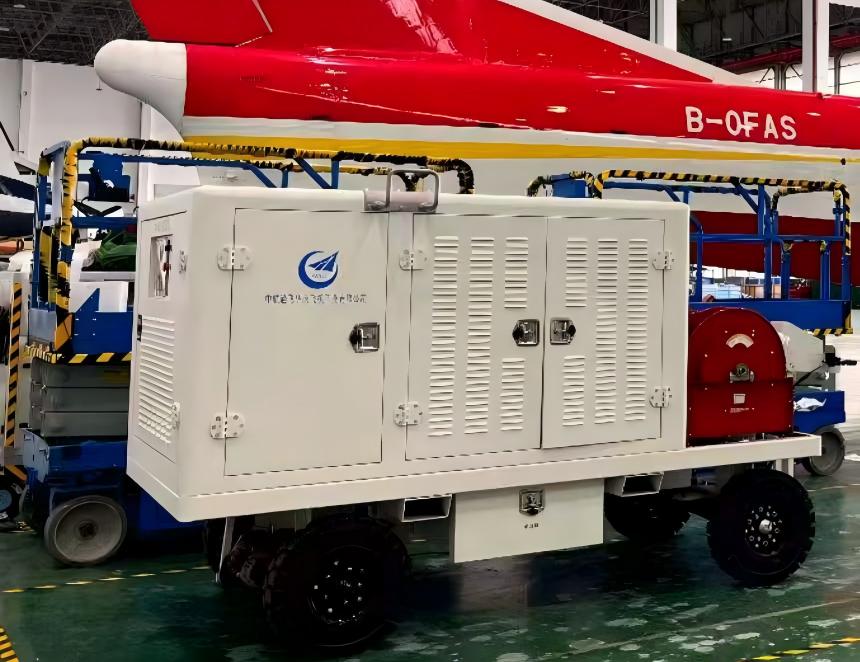
Ground Support Equipment is the gear airports use around parked aircraft. It supports servicing, movement, and safety.
It covers towing, power, air, fueling support, and handling bags or cargo. It also supports maintenance tasks.
Think of it as the “ground toolbox” for aircraft. They rely on it between flights.
Turnaround speed: Faster service reduces gate conflicts. It protects schedules.
Safety control: Better processes lower ramp incidents. They protect people and assets.
Cost stability: Less idle time means less fuel burn. It trims operating waste.
Passenger experience: Smooth boarding and baggage flow reduces complaints. It builds trust.
We can measure impact using simple KPIs. Track them weekly. Fix weak links early.
| Operational KPI | What It Tells You | Typical Improvement Lever |
|---|---|---|
| Turnaround time | Gate efficiency and ramp coordination | Right mix of tugs, loaders, GPUs |
| Equipment idle time | Fleet sizing and dispatch quality | Pooling, routing, smart tracking |
| Ramp incident rate | Risk exposure and training gaps | Standard procedures, operator refresh |
| Delay minutes from ground causes | Reliability across servicing steps | Preventive maintenance, spare coverage |
We can group Ground Support Equipment by function. Each group supports a specific turnaround task.
Aircraft must move safely on the ramp. They need controlled pushing, towing, and positioning.
Pushback tractors: They push aircraft from gates. It starts the departure flow.
Aircraft tugs: They tow aircraft to stands or hangars. It reduces engine taxi needs.
Towbars and towheads: They connect tug to aircraft. Correct fit prevents nose gear stress.
Wheel chocks: They stop roll movement. It adds a simple safety layer.
How to choose them? Check aircraft types, tow load, ramp slope, and turning radius.
Then verify speed limits, braking performance, and visibility aids. It reduces ramp surprises.
Aircraft systems still need power at the gate. Cabin comfort needs cooling or heating too.
Ground Power Units (GPU): They supply electrical power. It avoids running the APU longer.
Pre-Conditioned Air (PCA): They deliver temperature-controlled air. It improves comfort during boarding.
Selection tips: confirm voltage and plug standards. Check required airflow and hose reach.
Also check noise limits near terminals. Communities care. Airlines care too.
Bags and cargo drive many delays. Handling equipment must be fast and predictable.
Belt loaders: They move bags into holds. Correct height range prevents injury risks.
Baggage carts and dollies: They move bags fast. Fleet size affects peak performance.
Container and pallet dollies: They handle ULDs. Strong brakes matter on slopes.
High loaders: They load ULDs on widebodies. Platform stability is non-negotiable.
How to choose: map your typical load profile. Identify peak waves. Size equipment for reality.
Then confirm compatibility for ULD types. It avoids on-ramp bottlenecks.
Fueling is time-critical. It is also risk-sensitive. Processes must stay disciplined.
Fueling vehicles and carts: They deliver fuel to aircraft. Metering accuracy supports compliance.
Hydraulic and oil service equipment: They support testing and servicing. Cleanliness prevents failures.
Water and lavatory service trucks: They handle potable water and waste. Hygiene and containment matter.
Choose based on flow requirements, safety interlocks, and hose reach. Add spill response planning.
Also align service windows per aircraft. It keeps the turnaround predictable.
Maintenance on the ground needs safe access. It needs stable platforms too.
Maintenance stands: They support inspections and minor work. Guardrails protect crews.
Aircraft jacks: They lift aircraft during repairs. Load rating must exceed real needs.
Ground support tooling: They support diagnostics and flushing tasks. Clean handling protects systems.
Tip: treat access gear as safety gear. Inspect it often. Log it consistently.
Cold weather changes everything. Ice delays flights. It also raises safety risk.
De-icing trucks: They apply de-ice fluids. Boom reach determines aircraft coverage.
Fluid storage and mixing systems: They prepare correct ratios. Temperature control matters.
Runoff control tools: They support environmental compliance. Airports must manage it.
Choose based on aircraft mix and climate pattern. Plan staffing and staging. It saves minutes.
Passenger flow is part of ground performance. It affects boarding time and gate discipline.
Passenger boarding bridges: They connect gate to aircraft. Reliability reduces boarding friction.
Passenger stairs: They support remote stands. Stability and lighting help safety.
Apron buses: They move passengers quickly. Capacity planning prevents crowd issues.
Pick equipment based on stand layout and peak loads. Add contingency plans for bridge failures.
Many teams buy equipment by habit. It causes overspend or under-capacity. We can do better.
Step 1: List aircraft types and daily counts. Include peak-hour waves.
Step 2: Map tasks per turnaround. Assign target minutes per task.
Step 3: Match GSE types to each task. Identify single points of failure.
Step 4: Set minimum redundancy for critical equipment. Plan spares for peaks.
Step 5: Validate power, connectors, clearances, and ramp rules. Test it before scale.
| Decision Area | Option A | Option B | What Usually Wins |
|---|---|---|---|
| Fleet strategy | Dedicated per gate | Pooled dispatch | Pooled, if dispatch is disciplined |
| Power choice | Diesel | Electric | Electric, if charging is planned |
| Maintenance approach | Fix after failure | Preventive schedule | Preventive, for high-utilization assets |
Use a short pilot. Measure downtime, operator feedback, and delay minutes. Then scale rationally.
Electrification is rising. Noise rules tighten. Emissions targets expand. Many ramps shift now.
Yet electric fleets still need planning. Charging design decides success. It is not optional.
| Factor | Electric GSE | Diesel GSE |
|---|---|---|
| Local emissions | Near-zero at point of use | Exhaust near ramp and gates |
| Noise | Lower | Higher |
| Energy logistics | Charging stations and schedules | Fuel storage and refueling |
| Uptime risks | Charging bottlenecks | Fuel supply disruptions |
Best practice: start on predictable routes. Tugs and belt loaders often fit early pilots.
Then expand to high-utilization fleets. Keep spare coverage during transition. It protects operations.
Ground Support Equipment failures create delays. They also create incidents. We should control both.
Pre-shift checks: brakes, tires, lights, alarms. Operators can spot issues fast.
Clear lanes: mark routes and zones. It reduces blind-side conflict.
Standard signals: use consistent hand signals and radio terms. It prevents confusion.
Training refresh: short sessions, frequent. They keep habits sharp.
Maintenance logs: track failures and fixes. It reveals patterns.
Small controls compound. They reduce downtime. They also reduce risk exposure.
Three trends show up often. They reshape procurement and fleet management.
Teams add tracking and utilization dashboards. It cuts searching and idle time.
Dispatch becomes data-driven. It reduces the “where is it” problem.
We see more sensors and health indicators. It helps schedule service before failure.
It also supports spare planning. It keeps critical assets available.
Hydraulic and fuel cleanliness matters. Contamination drives failures. Monitoring reduces surprises.
It also supports audit readiness. Airlines want traceable records.
Examples help connect GSE types to real operations. Use them as mental shortcuts.
| Scenario | Primary Ground Support Equipment | Goal |
|---|---|---|
| Narrow-body quick turnaround | Tug, belt loader, GPU, baggage carts | Reduce gate time variance |
| Widebody cargo wave | High loader, ULD dollies, tractor, staging stands | Prevent peak-hour congestion |
| Cold-weather morning bank | De-icing trucks, fluid systems, runoff control | Keep departures predictable |
Ground Support Equipment is not “support” in practice. It is the operational backbone on the ramp.
Choose the right types. Size them for peaks. Maintain them consistently. Track the KPIs weekly.
If you plan upgrades, start small. Pilot one fleet group. Prove uptime. Then expand confidently.


