Views: 0 Author: Site Editor Publish Time: 2026-05-29 Origin: Site
Maintenance and reliability leaders crave real-time machine condition data. You want to prevent catastrophic failures long before they occur. However, a major fear holds many industrial teams back. You worry about prolonged downtime, complex pipe modifications, and massive IT headaches. These anxieties typically surround hardware retrofits. You might assume installing sensors strictly disrupts your critical production schedules.
We must deconstruct the true complexity of mounting continuous tracking systems. This article separates physical hardware mounting from network data integration. You will learn exactly what an installation demands from your maintenance personnel. "Easy" always depends on your specific equipment type. However, modern bypass configurations have completely changed the industrial landscape. Plug-and-play communication protocols also lower the implementation barrier significantly. Installing wear monitors is no longer a massive engineering hurdle. You can achieve continuous asset visibility safely, predictably, and efficiently.
Installation complexity depends on the mounting style: Bypass (kidney-loop) installations offer minimal disruption, while full-flow inline installations require scheduled downtime.
Physical mounting is only half the job: Securing the unit is often straightforward; integrating the data output into existing equipment maintenance workflows requires careful IT/OT planning.
Positioning dictates accuracy: Installing a sensor in an area with high air entrainment or heavy turbulence will cause false readings, making pre-installation site audits critical.
Many industrial teams still rely heavily on manual oil sampling. You pull fluid into a plastic bottle. You ship it off to an external laboratory. You then wait days or weeks for the final results. This traditional friction leaves heavy machines highly vulnerable. We must contrast this slow, reactive cycle against a proper oil debris sensor installation. Modern sensors certainly demand some upfront mechanical labor. However, they eliminate the dangerous waiting period entirely. They replace blind spots with continuous, reliable data streams.
We must frame this installation correctly for facility management. It is not a disruptive nightmare. It represents a single, highly controlled scheduled event. This brief intervention prevents catastrophic, unplanned downtime later. You trade one afternoon of planned mechanical work for years of continuous asset protection. You avoid the chaos of sudden gearbox failures. You stop replacing expensive components prematurely.
What exactly defines a successful retrofit? Success means the sensor provides a stable, repeatable baseline reading. It does this without altering normal machine operations in any way. Your primary fluid flow rate must remain perfectly stable. The system pressure drop should stay well within original OEM specifications. You want maximum data visibility. You never want to compromise internal fluid dynamics.
Installation difficulty changes drastically based on your chosen hardware category. We must evaluate different solution profiles against your physical plant realities. You must match the hardware design to your operational constraints. Different technologies demand different levels of commitment.
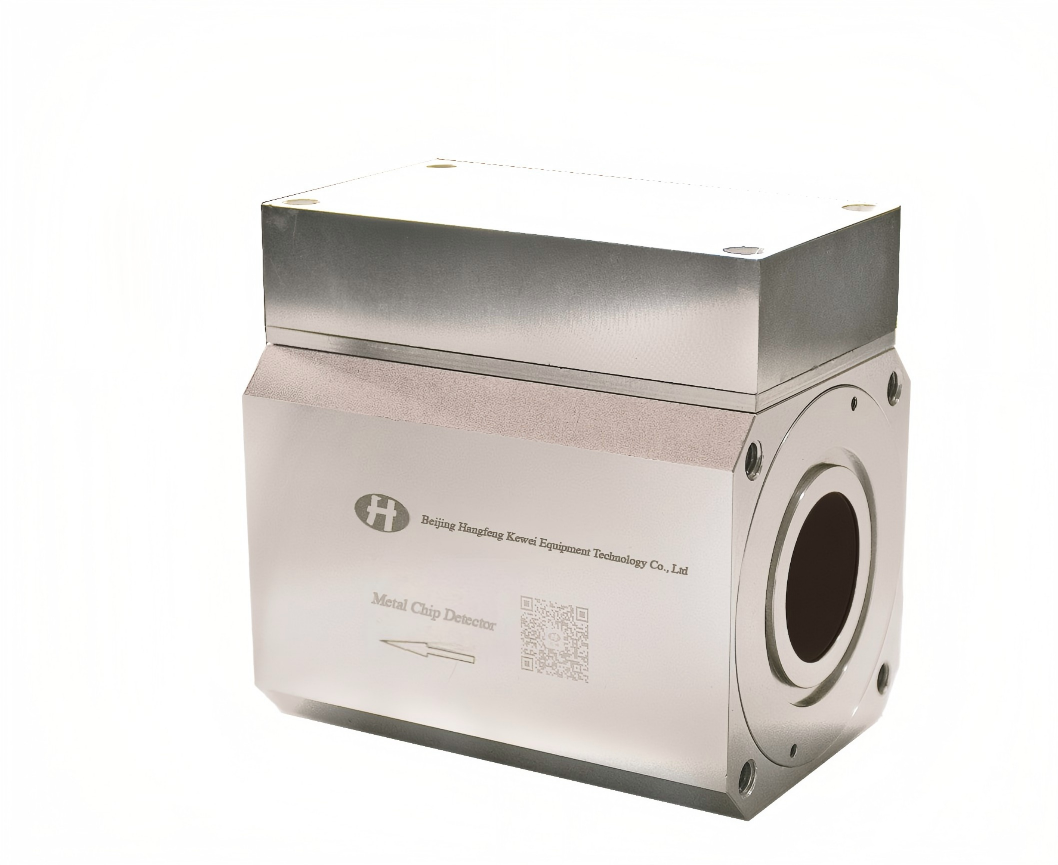
You install these devices directly into the main hydraulic fluid line. They catch absolutely 100% of passing metallic debris. This design offers absolute maximum detection capability. However, the physical reality requires serious mechanical commitment. You must cut directly into existing primary pipes. You have to manage potential pressure drops across the internal sensor body. This approach strictly requires scheduling a complete machine shutdown. We usually reserve inline models for highly critical mainlines. You use them when missing a single wear particle is completely unacceptable.
Bypass units sit parallel to your primary hydraulic line. You typically mount them on a conditioning skid. You might also use an existing kidney loop system. They offer zero to minimal operational interruption. You simply tap into existing diagnostic ports. A small fraction of the total fluid flows through the sensor. It then returns safely to the main reservoir. You can easily isolate these units using standard ball valves. This makes future sensor maintenance completely painless. You never have to stop the main machine to service a bypass unit.
These represent the fastest mechanical mounting method available. They act as direct thread-in replacements for your existing sump drain plugs. You remove the old magnetic plug. You screw in the new smart sensor. The reality is incredibly fast and cost-effective. However, they have distinct technological limitations. They only provide localized debris detection. They exclusively attract ferrous metal particles. They will not detect non-ferrous wear, brass flakes, or general fluid degradation.
Installation Comparison Chart
Sensor Category | Average Installation Time | Downtime Required | System Flow Impact | Best Industrial Application |
|---|---|---|---|---|
Inline (Full-Flow) | 4 - 8 Hours | High (Full Shutdown) | Moderate (Pressure Drop) | Mission-critical mainlines and turbines |
Bypass (Off-Line) | 2 - 4 Hours | Low to None | Zero Impact | Kidney loops, large fluid reservoirs |
Magnetic Plug | Under 30 Minutes | Minimal (Brief Fluid Drain) | Zero Impact | Gearbox sumps, quick budget retrofits |
Implementation success requires strict operational readiness. We use a standardized framework to guarantee smooth field deployments. Follow these four sequential steps to eliminate unexpected installation surprises. This framework ensures hardware and software align perfectly.
You cannot mount hardware blindly onto complex machinery. You must verify several critical engineering parameters first. You must check the specific fluid type inside the reservoir. Confirm the exact viscosity range (cSt) under normal operating conditions. Measure the standard operating temperature. Document the fluid flow rate and system pressure at your intended mounting point. This comprehensive audit ensures your chosen sensor matches your specific physical environment.
Selecting the right physical location matters immensely. You must actively avoid high-vibration zones near heavy gear meshes. Excessive shaking easily degrades sensitive internal electronics over time. You must ensure you follow the manufacturer's strict orientation specifications. Some units require precise vertical mounting. Others tolerate horizontal or angled placements. Proper orientation prevents fluid stagnation inside the internal sensing chamber. It guarantees accurate, repeatable particle counting.
Fluid leaks destroy operator confidence in new monitoring technology. You must utilize standard industrial hydraulic fittings. Common reliable options include NPT, BSPP, and SAE threads. Always use correct industrial thread sealants. Do not over-torque brass fittings into hardened steel manifolds. Leak-free connections ensure seamless integration into your overarching lubrication management program. Clean, dry connections keep the surrounding plant floor safe and compliant.
Physical pipe mounting is only the beginning of the journey. You must connect the hardware directly to your plant's digital brain. Most modern devices offer standard industrial communication outputs. You might use simple analog 4-20mA signals. You could route digital Modbus RTU or IO-Link cables. Many modern facilities now prefer wireless IoT gateway transmitters. You connect these outputs directly into your local PLC or SCADA system. This crucial step transforms raw electrical signals into readable, actionable maintenance dashboards.
Adoption risks exist in every digital transformation project. We have seen numerous industrial installations fail due to basic oversight. You can mitigate these common roadblocks easily if you anticipate them early. Proper planning separates successful reliability teams from frustrated ones.
Air behaves exactly like solid mass to many optical and acoustic sensors. Improper hardware placement near powerful hydraulic pumps introduces heavy air bubbles. Placing a sensor too close to a turbulent return line causes similar frothing issues. The device will falsely register these microscopic bubbles as severe metallic wear particles. This phenomenon triggers massive false alarms and frustrates operators.
Mitigation Strategy: Install your unit strictly on the high-pressure side of the fluid system. Place it post-pump. Guarantee you have adequate straight pipe runs before the sensor inlet. This straight run allows turbulent fluid to smooth out completely before entering the detection chamber.
Heavy machinery naturally generates intense structural shaking. This continuous vibration poses a serious long-term threat. It can slowly degrade internal sensor circuit boards. It can also loosen threaded hydraulic fittings over several operating months, causing dangerous oil leaks.
Mitigation Strategy: Use remote-mount electronics whenever possible. This strategy separates the fragile circuit board from the violently shaking pipe. Always install heavy-duty, vibration-dampening mounting brackets. Secure all long cable runs firmly to prevent destructive whipping.
Many teams successfully install the physical hardware. They route the electrical cables perfectly. However, the data just sits on a hidden local server. Nobody looks at the dashboard. The readings are never formally mapped to actionable plant alarms.
Mitigation Strategy: You must pre-define your alert thresholds before commissioning the hardware. Decide exactly how many particle counts per minute dictate a critical warning. Agree on these specific numbers with the reliability team upfront. Tie these thresholds directly to automated email alerts or CMMS work order generation.
Do not buy expensive hardware until you thoroughly evaluate your facility. You need a clear, logical shortlisting process. You must qualify your chosen technology vendor thoroughly. Readiness prevents wasted capital expenditure.
Start your evaluation by inspecting the physical asset. Do you have available diagnostic ports? Can you easily tap into an existing kidney loop? Next, look at your local electrical setup. Is there accessible 24V DC power located near the asset? Pulling new electrical conduit across a massive plant floor ruins budgets quickly. Verify your existing infrastructure layout first.
Your hardware vendor should act as a true integration partner. Do they provide clear piping and instrumentation diagrams (P&ID)? Will they supply the exact custom thread adapters your system needs? Do they offer remote commissioning support to help your IT team map complex Modbus registers? You must demand comprehensive documentation before signing any purchase order.
Never attempt a massive, plant-wide rollout immediately. You should always shortlist one highly critical asset first. Pick a primary mill gearbox. Select a high-load conveyor chain drive. Run a controlled proof-of-concept installation. A pilot program validates the base technology. It proves your communication network actually works. It builds immense internal confidence before you commit to scaling an online wear monitor across fifty different machines.
We must summarize the final technical verdict clearly. These advanced monitoring systems are not inherently difficult to install. Implementation success simply requires careful, methodical planning. The maintenance team must match the physical sensor type to their specific tolerance for scheduled downtime. Bypass systems keep your machines running continuously. Inline systems demand short, planned shutdowns. Both architectural styles deliver incredible long-term value. You no longer have to rely on agonizingly slow laboratory testing. You can protect your most valuable assets continuously.
Do not let minor integration fears hold your reliability program back. We highly encourage you to consult with a dedicated reliability engineer today. Request a thorough site assessment for your most troublesome heavy gearbox. Review a detailed technical spec sheet. Plan your very first pilot installation. Real-time machine health visibility is entirely within your reach.
A: Usually no. You rarely need to drain massive reservoirs completely. Bypass configurations utilize existing diagnostic ports. Magnetic plug replacements only require a very brief fluid catch. You can complete most installations with minimal fluid loss if you use isolation valves correctly.
A: Timeframes vary based on the hardware type. A simple magnetic plug replacement takes under 30 minutes. A standard bypass installation requires 2 to 4 hours. Complex inline retrofits requiring pipe modification and electrical conduit routing can take 4 to 8 hours.
A: Yes. Most modern industrial monitors use universal communication protocols. They output Modbus RTU, standard analog signals, or MQTT. These protocols feed directly into existing condition monitoring dashboards and easily trigger automated work orders inside your CMMS.