
Views: 0 Author: Site Editor Publish Time: 2026-09-28 Origin: Site
The shift from time-based maintenance to condition-based monitoring demands immediate, actionable data. Traditional off-site laboratory delays expose serious limitations for modern reliability teams. High-value assets operating in extreme environments simply cannot wait. Whether you run offshore drilling rigs or manage remote mining operations, a 48- to 72-hour delay for fluid analysis reports proves incredibly costly.
You risk running degraded machinery to failure simply because you lack timely insights. You cannot pause massive industrial operations just to wait for external fluid reports. We focus our evaluation on the field oil spectrometer oci 1b to address this exact challenge. We assess its technical viability for rigorous enterprise reliability programs.
You will learn how immediate spectral data translates into swift, actionable maintenance decisions. We will explore its core technical capabilities, compliance considerations, and operational deployment strategies. By bridging the gap between blind operation and delayed laboratory feedback, you can significantly enhance your asset lifecycle management.
The OCI 1B transitions fluid analysis from delayed lab reporting to immediate, on-site decision-making.
Successful deployment requires aligning the device’s detection limits with your specific asset criticality and ISO compliance standards.
While an upfront capital expense, the unit demonstrates clear ROI through eliminated routine lab fees and prevented catastrophic failures.
Implementation success depends on defining standard operating procedures (SOPs) and establishing baseline operator training for accurate sampling.
Operating industrial machinery blindly destroys expensive assets. When you wait days for external lab results, your equipment runs under severely degraded lubrication conditions. Micro-pitting begins deep inside gearboxes. Bearings score and overheat. Particulate contamination accelerates wear exponentially across moving surfaces. You lose thousands of dollars in component lifespan during this short waiting period. Routine delays transform minor wear issues into catastrophic mechanical failures. You must address fluid degradation before it compromises the mechanical integrity of your systems.
We must radically rethink fluid management strategies. Stop relying on reactive fluid top-offs and arbitrary oil change intervals. Start utilizing predictive, condition-based interventions. Deploying a dedicated field lubrication monitor shifts your operational strategy entirely. You test the oil right beside the machine. You know instantly if it needs replacing or sweetening. You base your maintenance actions on actual fluid health rather than calendar dates. This proactive shift drastically reduces unnecessary oil consumption and prevents premature component wear.
Continuous-process industries demand absolute agility. Immediate metal wear and additive depletion data keeps your production lines running smoothly. You spot a sudden spike in iron particulates immediately. You detect a dangerous drop in anti-wear additives before damage occurs. You schedule a short, controlled intervention instead of suffering a massive, unscheduled shutdown. Immediate data empowers your reliability teams to act decisively. You maintain peak operational throughput by resolving lubrication anomalies in real time.
What exactly does the unit detect? It analyzes a comprehensive suite of vital fluid health indicators. You gain immediate visibility into the chemical and physical state of your lubricants. The specific analytical capabilities include:
Wear Metals: Identifies abnormal levels of iron, copper, and lead particulates generated by bearing and gear wear.
Contaminants: Spots destructive silica dust and dangerous free water ingress instantly.
Additive Degradation: Measures the active depletion of critical anti-wear and extreme-pressure additive packages.
Oxidation Levels: Tracks fluid breakdown and thickening caused by prolonged high-heat operating cycles.
Modern optical technology makes this portable spectrometer highly resilient. It features advanced solid-state sensors. It completely lacks the fragile moving parts typically found in traditional laboratory equipment. This ruggedized design allows it to function flawlessly outside controlled laboratory environments. Miniaturized optics handle unexpected shocks and severe vibrations easily. You get true laboratory-grade optical precision packaged inside a durable, field-ready chassis.
Raw spectral data requires intelligent interpretation. The unit translates complex light wavelengths into intuitive, actionable maintenance alerts. Operators see a simple traffic light system interface. Green means the fluid remains healthy. Yellow indicates an emerging warning condition. Red demands an immediate maintenance action. Advanced reliability engineers can bypass the basic alerts. They can access direct ppm (parts per million) readouts for deeper, granular trend analysis.
Testing requires minimal effort from your technicians. You only need a tiny 2ml sample of oil. Preparation involves virtually no complex steps or dangerous chemicals. You simply insert the filled sample cup into the testing chamber. The device evaluates the fluid and delivers comprehensive results in under five minutes. This rapid time-to-result ensures your maintenance teams can test dozens of critical assets within a single shift.
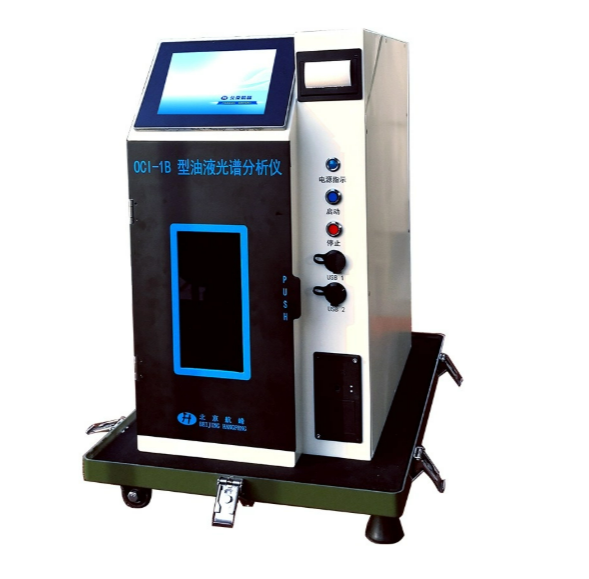
Can we trust the numbers generated in the field? Yes, but you must clearly understand the context of the data. We routinely compare the unit to traditional benchtop ICP (Inductively Coupled Plasma) spectrometers. Field units provide excellent correlation for trending purposes. They excel at catching sudden, abnormal wear spikes. While a million-dollar lab unit offers absolute atomic precision, the field unit provides the immediate directional accuracy you need to save a failing gearbox.
| Performance Attribute | Laboratory Benchtop ICP | OCI 1B Field Unit |
|---|---|---|
| Time-to-Result | 48 to 72 hours (minimum) | Under 5 minutes |
| Primary Value Proposition | Deep root-cause failure analysis | Immediate risk mitigation & trending |
| Environmental Tolerance | Strictly climate-controlled | Ruggedized for harsh environments |
| Operator Skill Required | Specialized analytical chemist | Standard maintenance technician |
Using an on site oil tester keeps your program strictly compliant. Its testing outputs align well with established industry standards. The internal spectral analysis principles mirror widely accepted ASTM D5185 methodologies. You also receive reliable ISO particle count equivalents where applicable. This strong standardization ensures your internal field data remains credible, trackable, and aligned with global reliability engineering practices.
You must remain transparent about equipment limitations. The unit cannot perform deep root-cause failure analysis like an SEM-EDX (Scanning Electron Microscope). If you experience a catastrophic, unexplained gear failure, you still need detailed laboratory analysis. You also need certified lab reports for major OEM warranty claims. The field unit acts as a powerful first-responder triage tool. It does not entirely replace your annual comprehensive laboratory audit.
Heavy industry demands incredibly tough diagnostic tools. This handheld spectrometer boasts exceptional environmental durability. It carries robust IP ratings designed to block invasive silica dust and moisture. It tolerates wide temperature swings smoothly, operating from freezing conditions up to intense industrial heat. It resists the punishing vibration found constantly in heavy mining trucks or offshore drilling platforms. You can deploy it anywhere your equipment operates.
Diagnostic equipment only performs as well as the operator using it. Poor sampling techniques cause frustrating false positives. You must train your reliability teams properly before deployment. Follow standard field lubrication analysis training principles (such as those outlined by the ICML). Good data requires strict sampling discipline.
Sample directly from active flow zones under normal operating conditions.
Avoid drawing fluid from cold dead legs or bottom sump drains.
Flush the sample port thoroughly before collecting the final fluid.
Use clean, dedicated sample bottles to prevent accidental cross-contamination.
Ongoing device maintenance remains highly straightforward. You implement basic cleaning protocols between every sample. You wipe the optical interfaces carefully using approved lint-free materials. Operators perform quick daily calibration checks against known fluid standards. This ensures strict data integrity across different shifts. You keep the maintenance routine simple so technicians actually perform it consistently.
Financial justification relies heavily on direct operational savings. You evaluate your return on investment by adding up all eliminated routine external lab fees. Next, you factor in the average historical cost of one hour of unplanned downtime at your facility. When one avoided main-bearing failure saves tens of thousands of dollars in lost production, the oil analyzer quickly pays for itself. The break-even point often arrives within the first few months of active deployment.
Data isolation destroys long-term value. The unit must export its findings directly into your existing enterprise software. Modern units push data seamlessly into your CMMS (Computerized Maintenance Management Systems) or ERP platforms. They utilize simple CSV exports, robust APIs, or secure Bluetooth connections. This deep integration allows reliability engineers to build accurate long-term trend analysis charts. You transform raw daily tests into powerful predictive maintenance models.
Maintenance managers must carefully validate their operational needs before procurement. Use a straightforward checklist to determine if this technology matches your facility profile:
Does your current heavy machinery fleet size justify a dedicated on-site device?
Do you operate remote, isolated footprints where shipping physical samples takes multiple days?
Is your baseline asset criticality high enough to demand instant lubrication data?
Do you have the internal discipline to train technicians on strict sampling procedures?
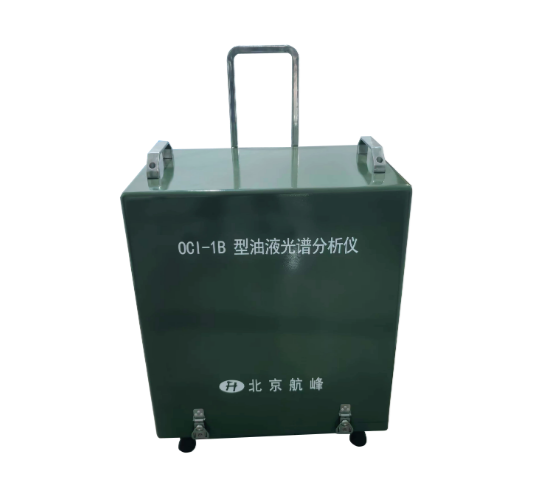
The strategic value of deploying advanced on-site fluid diagnostics cannot be overstated. It acts as a formidable risk mitigation powerhouse for modern reliability teams. It provides immediate, tactical data that bridges the dangerous gap between blind machinery operation and delayed external lab reports. While it does not eliminate the need for occasional deep-dive laboratory forensics, it transforms how you manage daily equipment health.
You should prioritize your most critical, high-value assets for daily or weekly testing. Ensure you integrate the resulting spectral data directly into your CMMS to track long-term wear trends. Maintain strict sampling discipline among your technicians to guarantee data accuracy. We highly recommend this proactive approach for remote mining sites, offshore marine vessels, and heavy industrial fleets where unscheduled downtime presents an unacceptable operational risk.
A: High-dust environments demand stricter operational hygiene. You should perform a quick standard verification check before each daily testing shift. If the baseline reading drifts outside acceptable parameters, run a full calibration sequence immediately. Keep the optical lenses rigorously clean between tests to minimize sensor drift.
A: Field testing drastically reduces per-test expenses. You only pay for basic cleaning wipes, mild solvents, and disposable plastic sample cups. This typically costs just a few cents per test. Conversely, commercial lab samples cost significantly more per bottle, alongside expensive expedited shipping fees from remote operational sites.
A: Yes, the unit handles various fluid grades effectively. High-viscosity gear oils may require slight warming to flow properly into the testing cell. However, they generally do not require complex or dangerous solvent dilution steps. Always follow the specific viscosity handling guidelines outlined in your standard operating procedures.
A: The unit stores hundreds of test records locally on its secure internal memory. Technicians can export this data via standard USB flash drives or local Bluetooth connections to a ruggedized tablet. Once the tablet reconnects to the main enterprise network, it synchronizes the data directly into your central CMMS.


